FrontStreet Coffee found the following content related to "sweet and sour" for you
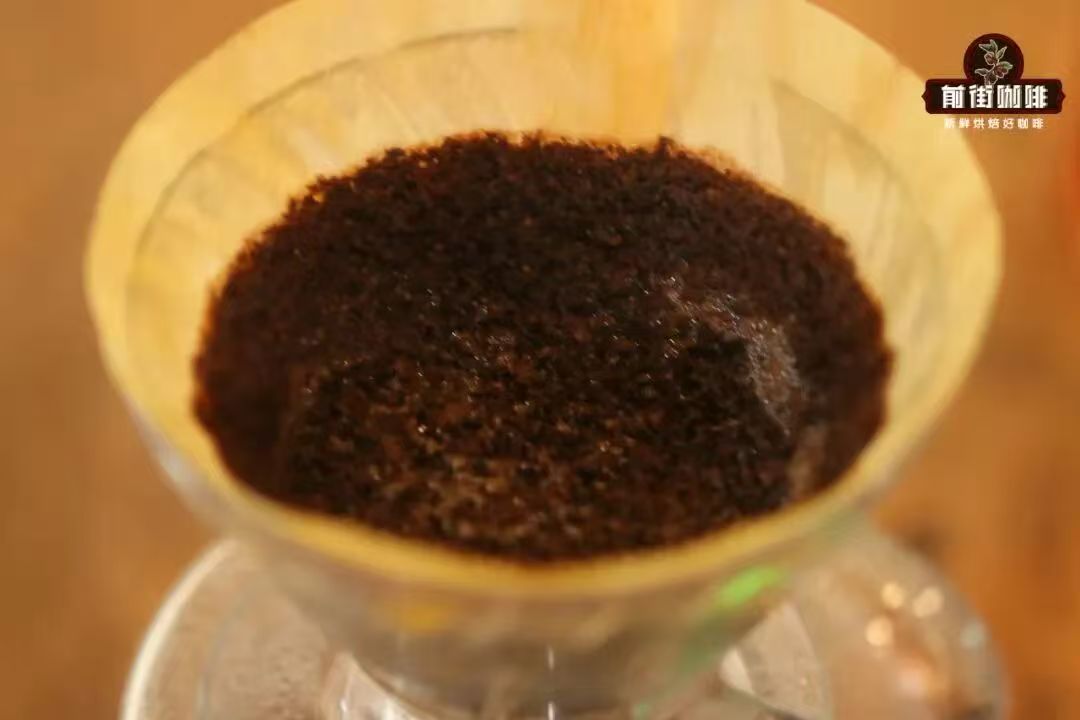
Whether the coffee tastes good or not is ultimately a matter of personal taste. Some people like the bright fruit acid, which they think reflects the vitality of coffee; some people prefer the mellow sweetness, which they think is a reassuring taste. Sweetness and sourness are not mutually exclusive—many good beans have both—but know your preferences and choose your beans accordingly.
Read more →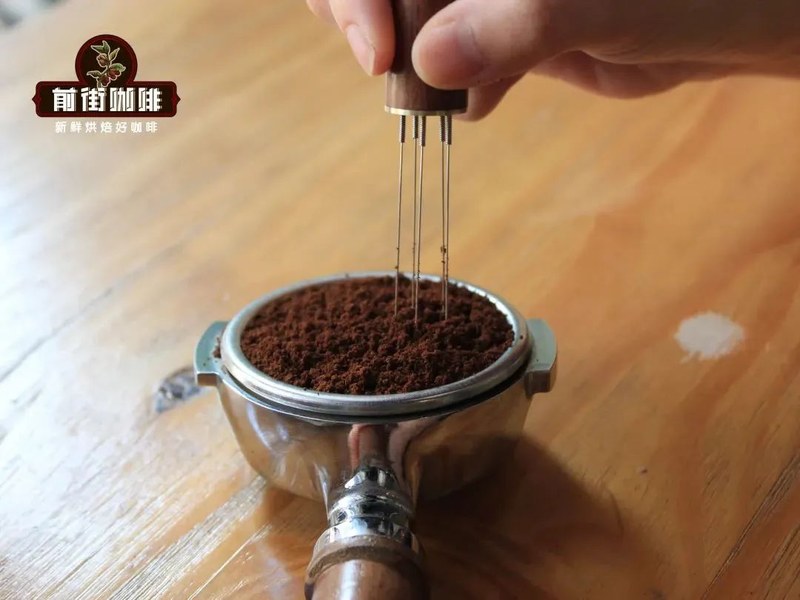
Coffee beans with a balance of sourness and sweetness will not only have a sharp sour taste in the mouth, nor will the sweetness be covered by bitterness. It usually brings refreshing fruit acidity at first, and then sweetness like syrup, honey or ripe fruit, and the mouth is still clean after swallowing. When choosing, you can start with how you drink it every day, and let the aroma, concentration and aftertaste of the beans serve your specific needs.
Read more →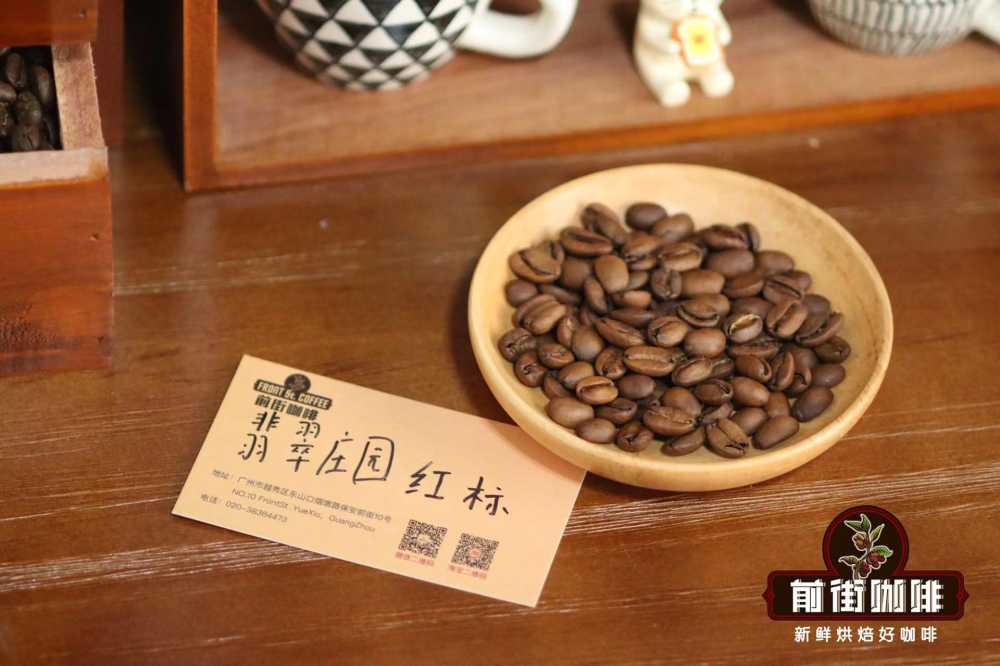
Communication with professional baristas Please pay attention to FrontStreet Coffee. Many friends have asked the baristas on Front Street: "Can you really drink so many flavors from beans? How do you drink them?" First of all, this is a question about personal senses. Everyone grows up.
Read more →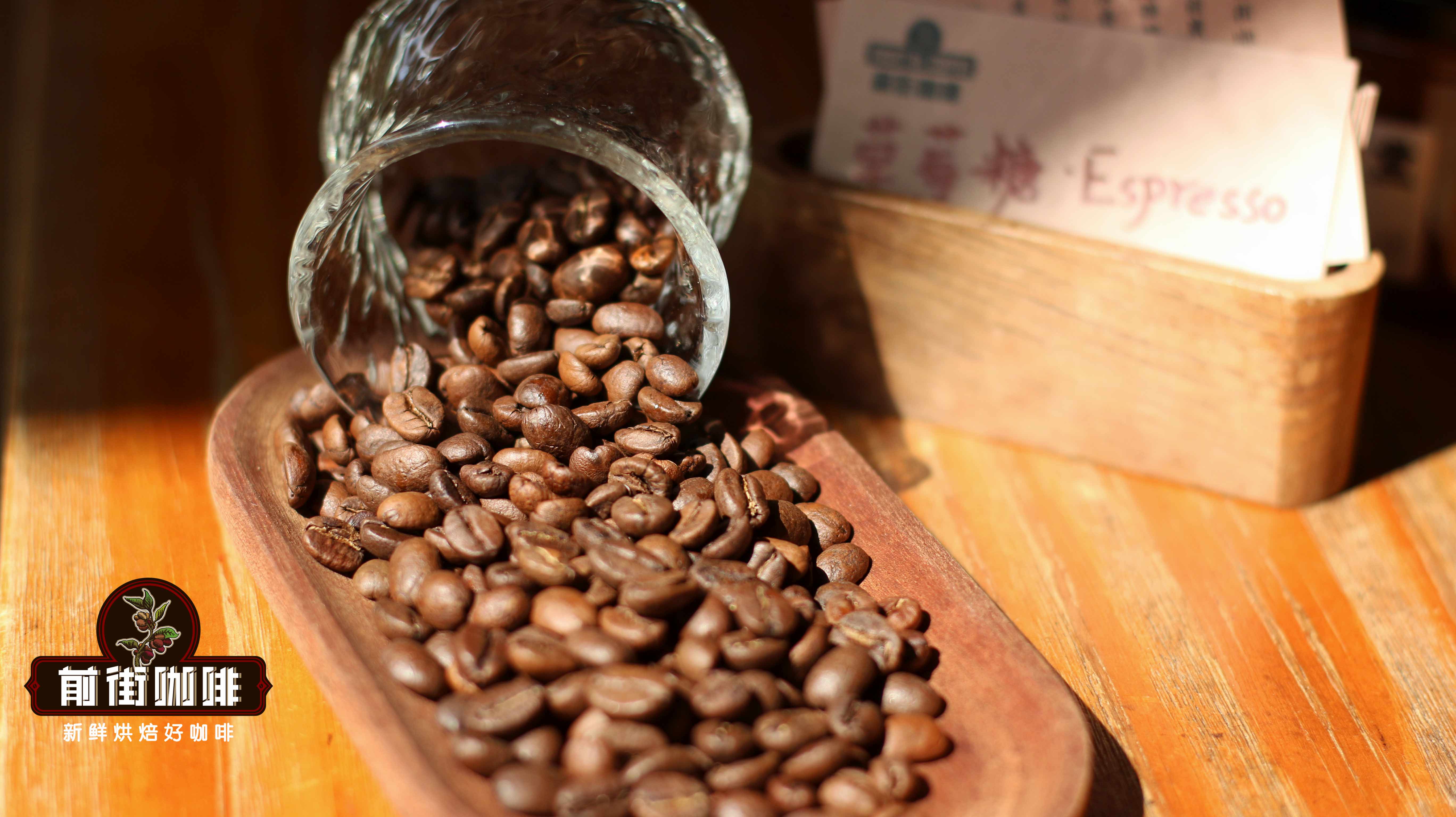
When we say coffee is sweet, it not only refers to the sweetness in taste, but also the sweetness in smell. Therefore, from the perspective of tasting, only sour coffee with a sweet base can be called a high-scoring flavor experience. To make coffee sour and sweet, roasting plays a key role. A coffee starts from the green bean and is heated to
Read more →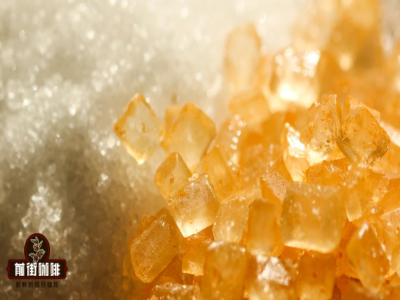
Life is short, so of course you have to drink sweet coffee! If you say coffee is bitter, most people, whether coffee drinkers or those who don’t drink coffee often, will have no objection; if you say coffee is sour, I believe those acid lovers will agree with it; but if you say coffee is sweet, it may cause a lot of controversy.
Read more →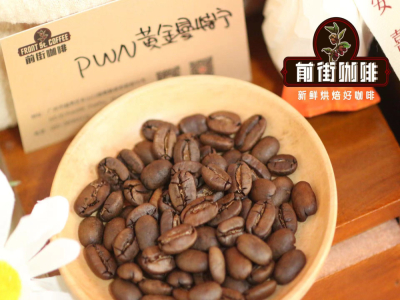
When serving coffee on a daily basis, whenever a stranger comes to order coffee, Front Street will ask, "Would you like it sour or not?" In the past, most people would have answered “no sourness” without hesitation, and sometimes would have emphasized that it doesn’t matter if it’s a bit bitter; but today, with the increasingly strong culture of specialty coffee, the number of customers who take the initiative to drink sourness has become more and more common.
Read more →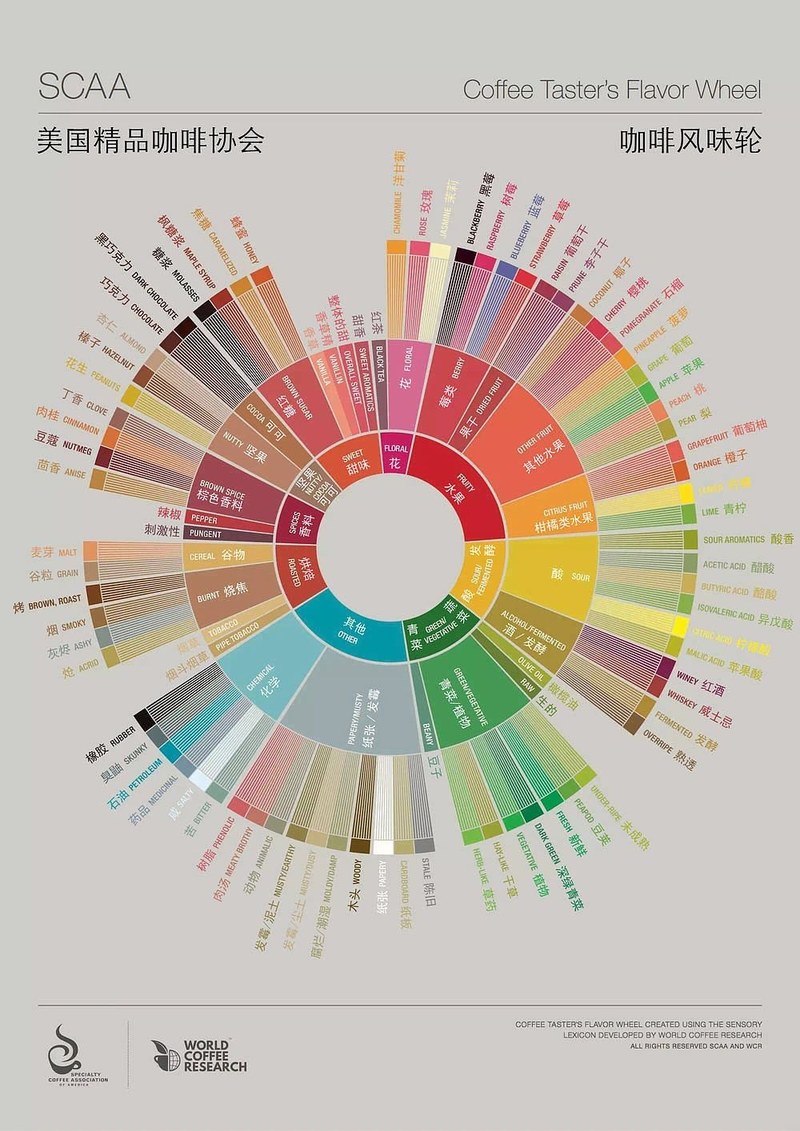
The balance of sourness and sweetness is not just a simple addition of sourness and sweetness, but a vitality in the mouth, followed by a soft sweetness, so that you will not be left with only irritation or bitterness after drinking. When choosing beans, you can first imagine when they will appear: in the morning when you need to refresh yourself, during work breaks you need to be neat and tidy, on weekends it is suitable to slowly feel the aroma, and corresponding to different scenes.
Read more →
A cup of coffee goes through grinding and extraction from the bean to the mouth. When faced with coffee beans with a balance of sourness and sweetness, it is more straightforward to first think about what flavor you want to appear in the cup than starting from the package name. First confirm the commonly used utensils and the taste you like, and then compare the specific beans. The actual operation will be more directional. Flavor words do not represent
Read more →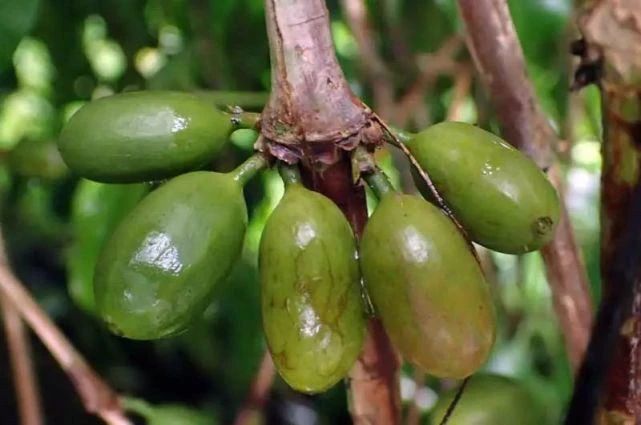
SOE refers to espresso coffee from a single origin or a single batch. After it is made into American style, whether the acidity will be prominent depends on the flavor base of the beans, roasting direction, concentrated extraction and water ratio. It is not "SOE must be sour", it is also American style, some are like citrus juice, some are close to dark chocolate, and some are presented.
Read more →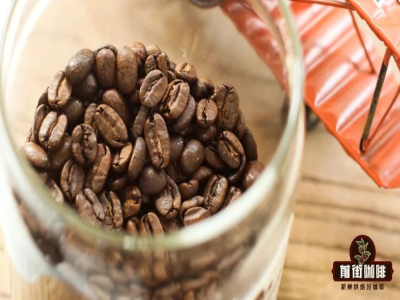
Front Street Panama Butterfly Coffee Bean Production Area: Poquet, Panama Altitude: 1600m Varieties: Geisha, Kaduai, Kadura Processing Method: Washed Flavor: White floral, citrus, berry, tea flavor Recommendation reason: It tastes like floral fruit tea, with a refreshing taste, suitable for hand brewing, cold brewing and making ice coffee Front Street Indonesia PWN
Read more →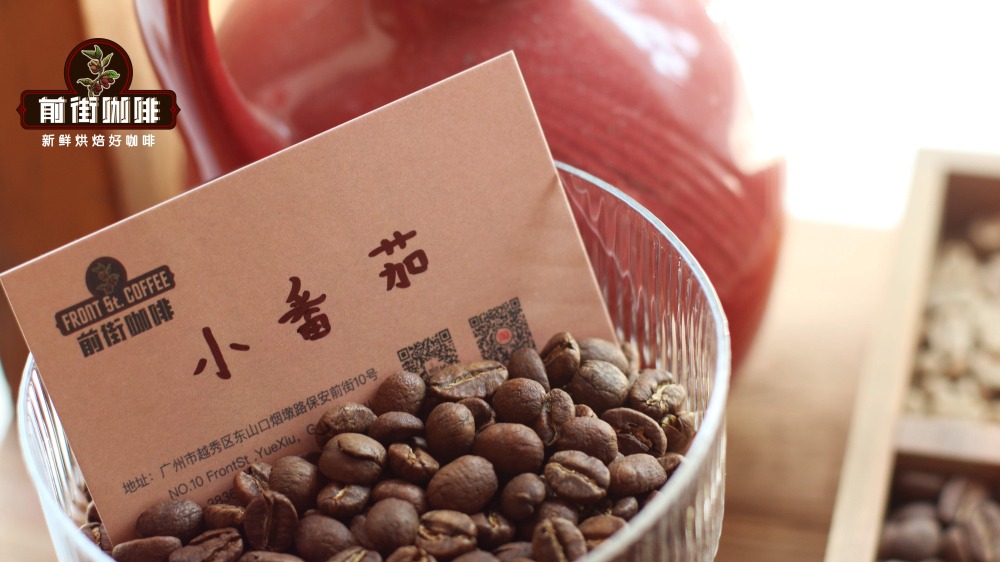
Kenyan coffee has a resounding label in the specialty circle: "beautifully sour". Front Street Kenyan cherry tomatoes take this beautiful acidity to the extreme - the sour aroma of cherry tomatoes and ebony plums, coupled with the full sense of juice, is recognized by lovers of bright acidity as a favorite. A highly recognizable Kenyan Bean Street Kenny
Read more →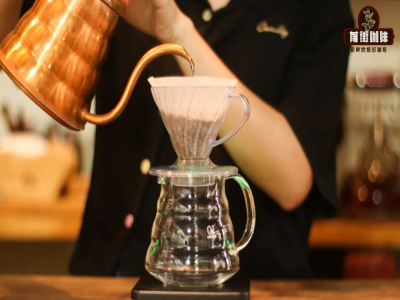
"Sour" can be said to be the mainstream taste of coffee today. Since the popularity of specialty coffee, the roasting of coffee has begun to change from dark to light, and the taste has changed from unchanging bitterness to colorful sourness. This has attracted many friends who can’t stand the “bitter” taste of coffee to start getting into contact with coffee and taste the flowers of light roasted coffee.
Read more →
Many people think that coffee must be bitter, and making black coffee requires adding milk and sugar, but coffee actually has many different flavors, which makes it not only not bitter, but also has a variety of aromas and tastes. Today Front Street has brought several coffee beans with a balance of sour and sweet, and outstanding flavors for everyone to choose from. 1
Read more →
Americano may have become the mainstream in cafes, especially in the summer, it will definitely feel very refreshing to have a cup of iced Americano. Coffee has become a habit for many people to have a cup of coffee every day. Sometimes it is to enjoy the slow time of life, and sometimes it is to add spiritual strength to the tired life of day and night.
Read more →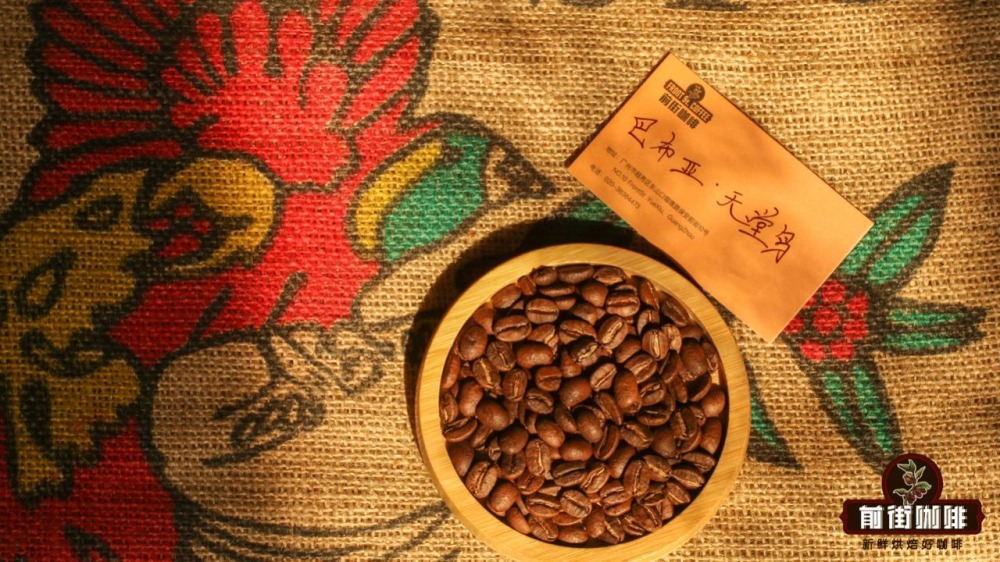
Among specialty coffees, there are not many beans that can be called "Little Blue Mountain", and Front Street Papua New Guinea Bird of Paradise is one of them. It has the same origin as Blue Mountain, and has its own clean and sweet personality. It is a brand worth getting to know for those who like mellow but not sour. Why is it called "Little Blue Mountain"? Front Street Bird of Paradise is produced in Papua New
Read more →
If you want to drink Yirgacheffe, but prefer a round, soft and less sour taste, you can put the "acidity" back into the specific drinking method to judge. Yirgacheffe often has floral, citrus or berry tones, but through medium-dark roasting, higher sweetness and thicker taste, it can also show a milder and smoother side. The key is to choose the right wind.
Read more →
Many people who are new to specialty coffee frown when they hear the word "light roast": will it be sour? Will you be unaccustomed to drinking? In fact, the flavor logic of light roasted coffee beans is completely different from that of dark roasted coffee beans. It does not pursue the burnt aroma and bitterness, but retains the floral and fruity aroma of the coffee fruit itself as much as possible. After drinking and understanding Qianbao, you will
Read more →
"Drink your coffee while it's hot" is a saying that's often said to everyone for no reason! I remember a coffee drinker on Qian Street described the cold coffee like this: "After taking a sip, my head hurt so much. The bitter/sour + woody taste lingered in my mouth and made me shut up for a long time~" Let the hot coffee cool down
Read more →
In coffee cupping, there is a scoring item called "Balance", but the goal of its evaluation is not just the balance of sweet, sour, and bitter flavors! Instead, the score is based on the harmony between coffee’s acidity, sweetness, body, and aftertaste. Balance can be said to play a coordinating role
Read more →
"Sour" can be said to be the mainstream taste of coffee today. Since the popularity of specialty coffee, the roasting of coffee has begun to change from dark to light, and the taste has changed from unchanging bitterness to colorful sourness. This has attracted many friends who can't drink the "coffee flavor" to start getting into contact with coffee and taste the floral and fruity sour aroma of light roasted coffee.
Read more →Be the first to know about new bean releases, brewing tips, promotions and cupping notes

Scan to Follow Front Street Coffee on WeChat
